Fantasy
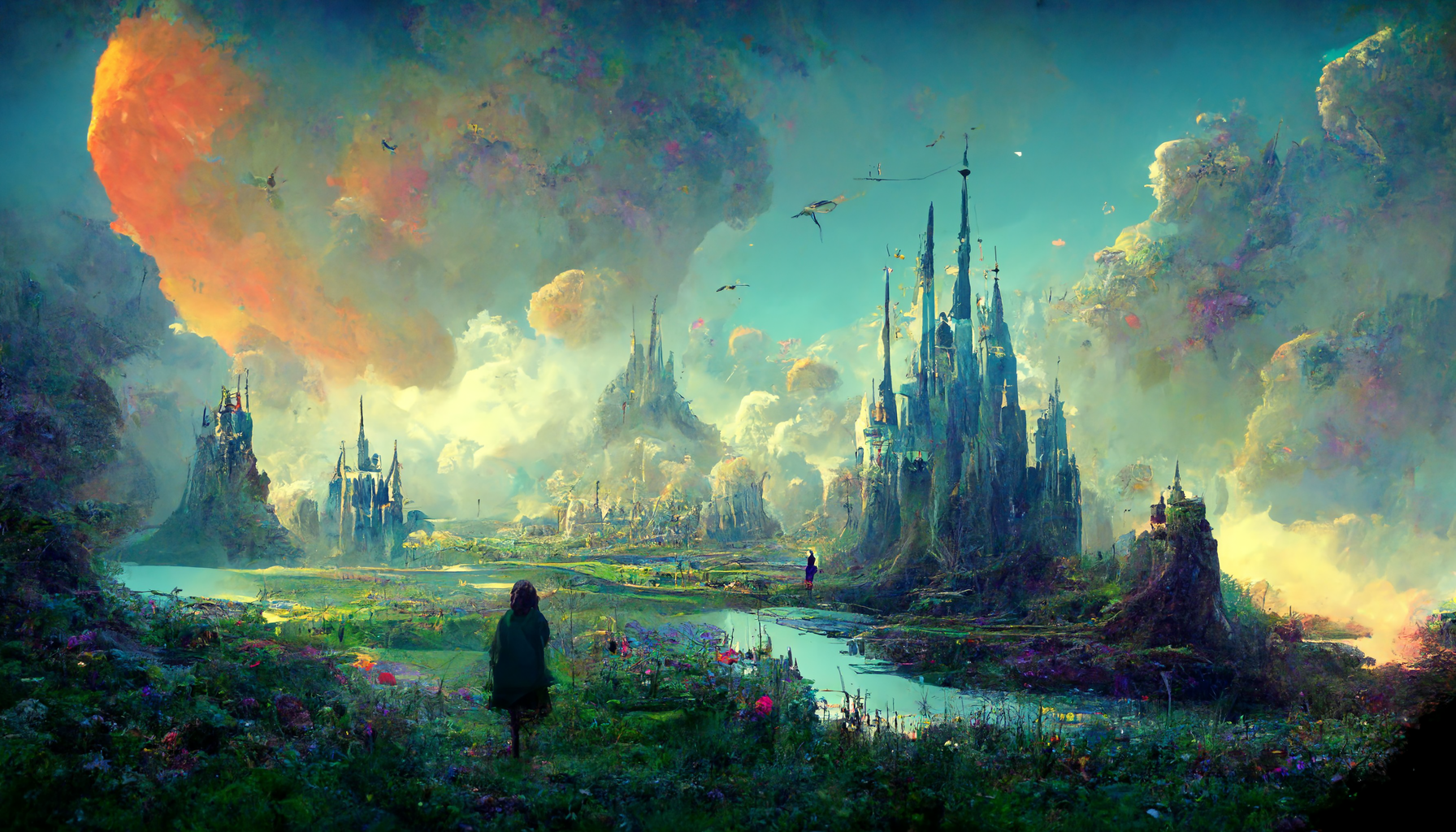
-High fantasy: This sub-genre is set in entirely fictional worlds with complex systems of magic, mythical creatures
Example: Lord Of The Rings
- Urban fantasy: Urban fantasy blends magical elements with a contemporary, urban setting, often featuring hidden magical societies in modern cities.
-Low fantasy: Low fantasy takes place in a real-world setting but introduces magical or fantastical elements into it.
Example: A famous example is J.K. Rowling's "Harry Potter" series.
Magic: Magic is a central theme in fantasy, with various systems of magic, spells, and magical creatures playing significant roles.
Character type: Common character types include wizards, witches, elves, dwarves, and mythical creatures like dragons and unicorns.
Target audience: Fantasy literature is enjoyed by readers of all age groups, including children, teenagers, and adults:
-Children: Fantasy stories with simpler narratives and magical adventures often target younger readers, sparking their imagination and sense of wonder.
-Teenagers: fantasy is a popular sub-genre, focusing on the challenges and growth of teenage protagonists.
-Adults: Many fantasy novels are written with adult audiences in mind, offering complex plots, political intrigue, and deep philosophical themes.
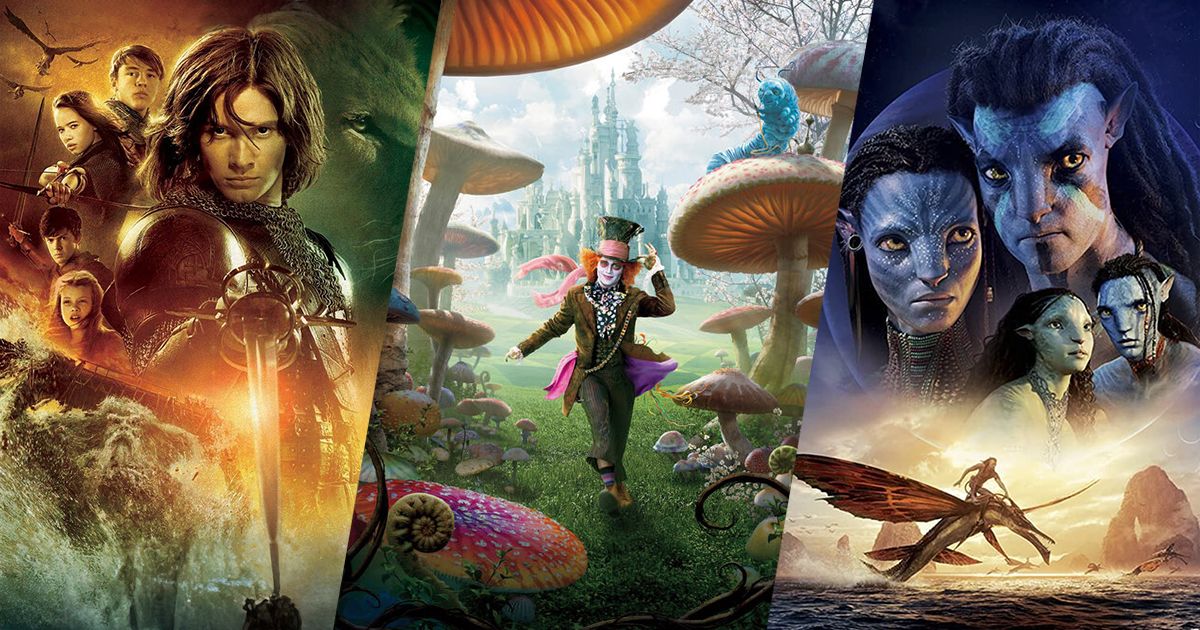
Technical codes:
The fantasy genre employs various technical codes to create its distinctive and immersive worlds. These codes contribute to the unique storytelling and world-building aspects of fantasy literature
-Rules of Magic and Physics: Besides magic systems, there are often specific rules governing the physics and natural laws of the fantasy world.
-Bestiaries: Many fantasy works include bestiaries or guides to the mythical creatures found in their worlds, providing readers with a deeper understanding of the fantastical fauna.
-Religions and Belief Systems: The development of religions and belief systems within the fantasy world can be a technical code used to shape characters and societies.
Symbolic codes:
Symbolic codes play a significant role in the fantasy genre by imbuing elements of the story with deeper meaning and representing universal themes and ideas.
-Light and Dark: The dichotomy between light and darkness often symbolizes the broader battle between good and evil, hope and despair.
-Magic: Magic is often a symbolic representation of power, knowledge, or the extraordinary abilities that individuals can harness.
-Quests and Journeys: The hero's quest is symbolic of personal growth, transformation, and the human experience of facing challenges.
- In my view, the fantasy genre offers a unique platform for both escapism and introspection. It allows readers to explore complex themes through the lens of extraordinary worlds and characters. This genre's enduring popularity reflects our innate desire for wonder and the timeless battle between good and evil, making it an important and valuable part of literature.
 ★ 。★ 。★ 。★ 。★ 。★ 。★ 。★
Horror
-Supernatural Elements: Many horror stories incorporate supernatural elements, such as ghosts, demons, vampires, and other paranormal entities.
-Psychological Horror: Psychological horror delves into the human mind, often exploring mental illness, psychosis, and the breakdown of sanity.
-Suspense and Tension: Building suspense and tension is a crucial element of horror storytelling, creating a feeling of unease in the audience.
-Gothic Horror: This subgenre often features dark, eerie settings, crumbling mansions, and a sense of foreboding.
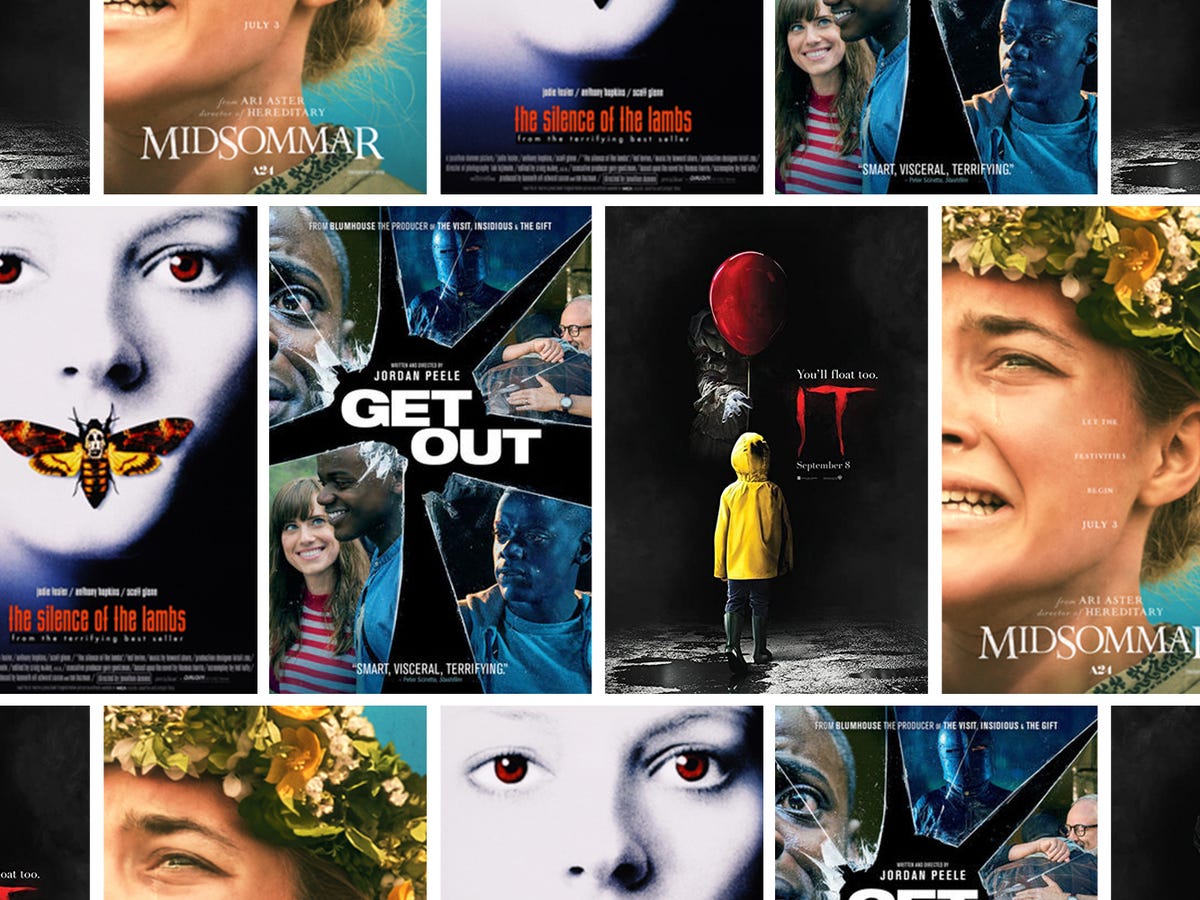
Jump scares are a common technique, where sudden, unexpected events startle the audience. Body horror and gore focus on visceral and graphic descriptions of violence, deformity, or bodily harm. The horror genre has had a significant influence on horror films, and many iconic horror movies are based on or inspired by horror literature. Isolation is a recurring theme, with characters often trapped in remote locations, adding to the feeling of helplessness. Horror often thrives on the fear of the unknown, playing on primal fears of things we cannot understand or control.
target audience:
-Teenagers and Young Adults: Horror often appeals to teenagers and young adults who seek excitement and enjoy the adrenaline rush provided by scary stories.

-Sound Design: Sound effects, music, and silence are strategically used to build tension and evoke fear.
-Jump Scares: Horror often employs sudden, startling moments to surprise and frighten the audience.
-Setting and Location: The choice of settings, such as haunted houses, isolated forests, or eerie institutions, is a technical code that enhances the horror atmosphere.
-Special Effects: Visual and practical effects are used to create supernatural or terrifying elements in the storyline.
Symbolic codes:
-Darkness: Darkness symbolizes the unknown, fear, and the hidden horrors that lurk in the shadows.
-Isolation: Isolated settings, like remote cabins or deserted buildings, symbolize vulnerability and the absence of help.
-Mirrors: Mirrors often symbolize the duality of human nature and the possibility of encountering one's darker self.
-Blood: Blood is a powerful symbol of life and death, often used to convey violence, fear, and the fragility of existence.
In my opinion, the horror genre is a testament to the power of storytelling. It taps into our most primal fears and provides a safe space for exploring the dark and unsettling aspects of the human experience. Horror can be both an adrenaline-pumping thrill and a thought-provoking exploration of our deepest anxieties.
No comments:
Post a Comment